Services have the shortest path to the first money: the customer has a problem now and pays as soon as you solve it. No stock, no waiting for an audience — just skill and availability.
We picked fields where demand outstrips supply and the kit fits in a car. The median hourly rate for services in this catalogue is around €26; each idea carries its own figure.
101 ideas in this theme
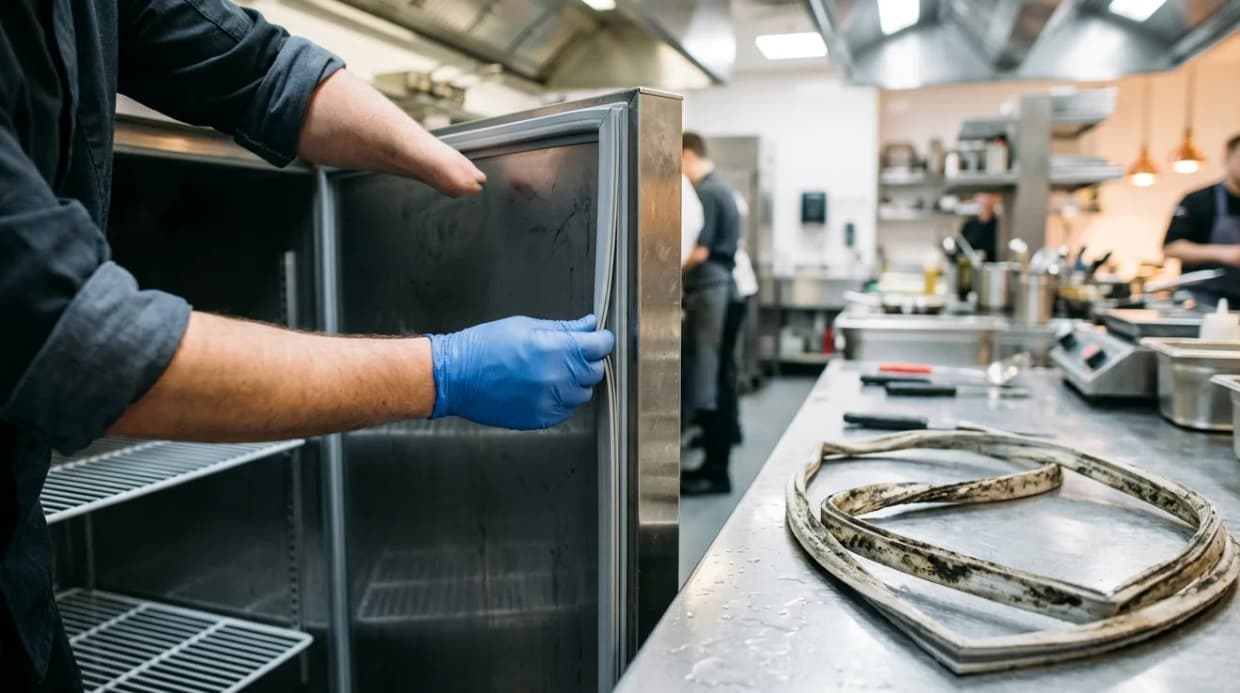
A torn magnetic gasket on a fridge door lets warmth in, the door fogs up, mould grows along the edge and the health inspector writes it down. You arrive with a made-to-measure gasket, replace it right in the kitchen and log every refrigerated door in an overview.
And 673+ more ideas waiting inside
Unlock the full databaseThe ones people can't do themselves and won't postpone: repairs, specialist cleaning and transport. The catalogue marks them by how quickly a first customer turns up.
For regulated trades yes, including experience or training. But more activities are unregulated than people expect — each idea states which category it falls into.
Locally: maps, reviews and referrals work better for services than advertising. Each idea describes the first channel worth trying.
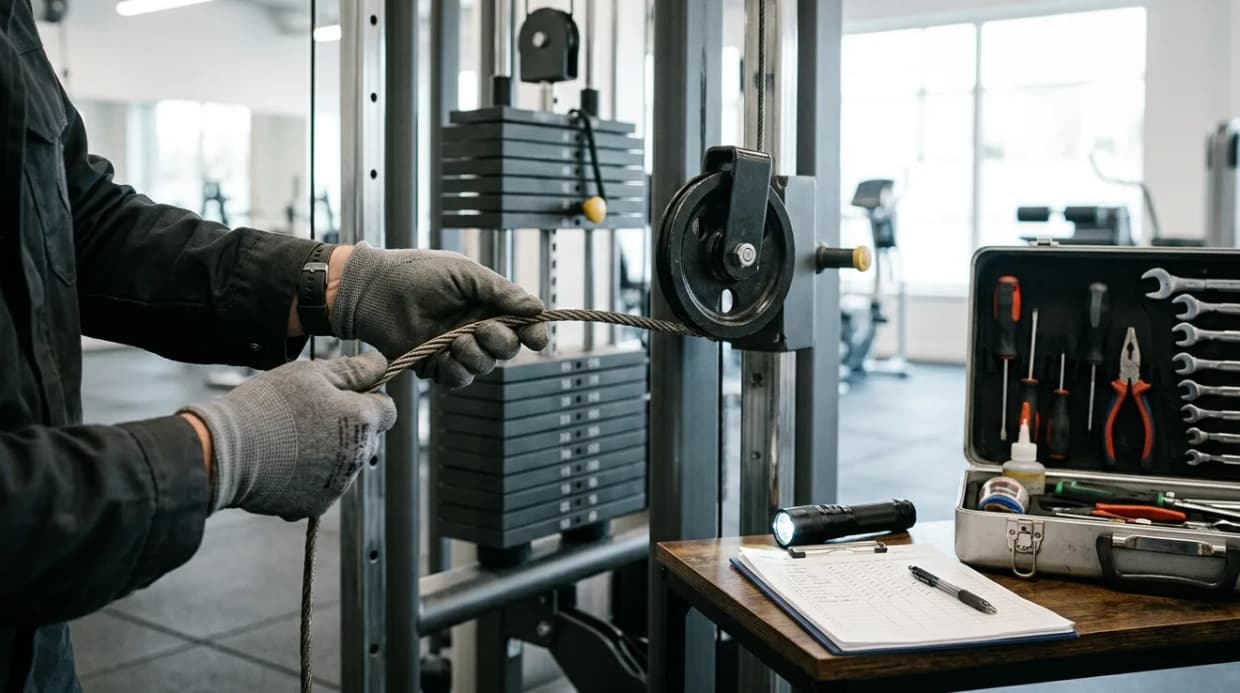
Cables, pulleys, belts and bearings in a gym wear out before anyone notices. You inspect and replace them regularly and log every inspection. The operator isn’t just paying for a repair but for a record that covers them when a member gets hurt.

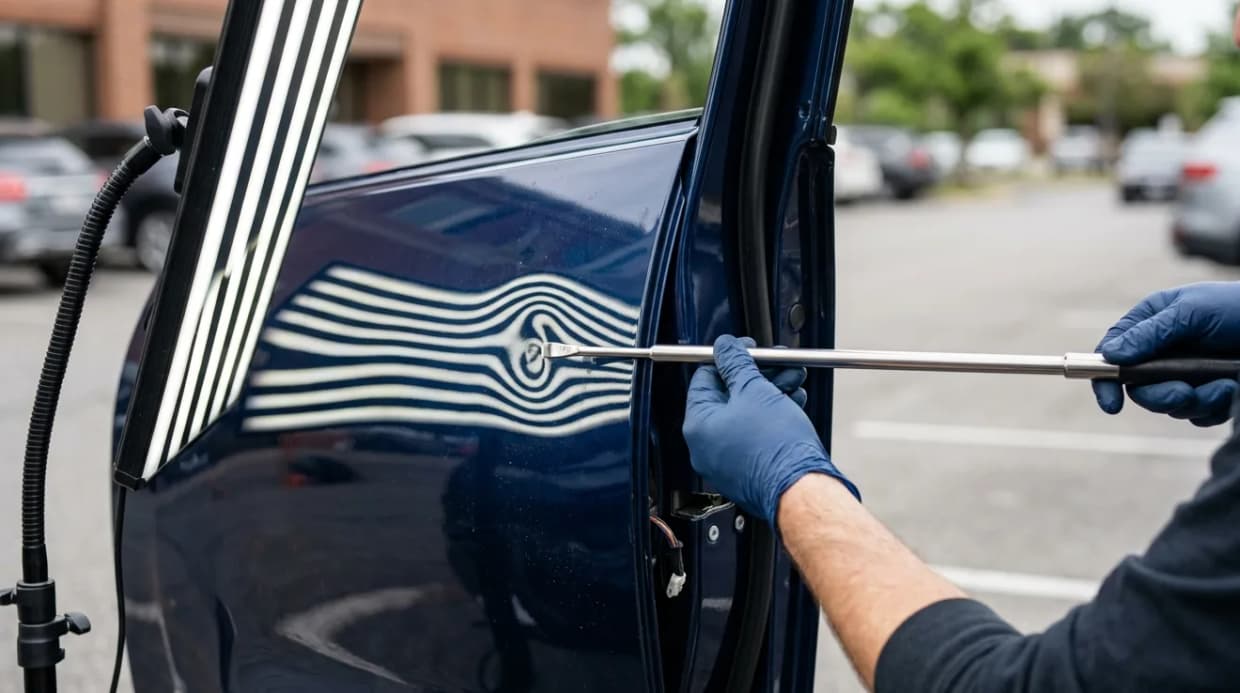
With special rods and glue pulling you push the metal back into shape without touching the paint. You drive to the customer, a trolley or door dent disappears within an hour and the car keeps its original paint. But the craft isn’t in the tools. It’s in judging which dent can be repaired invisibly and which you must turn down before you make it worse.

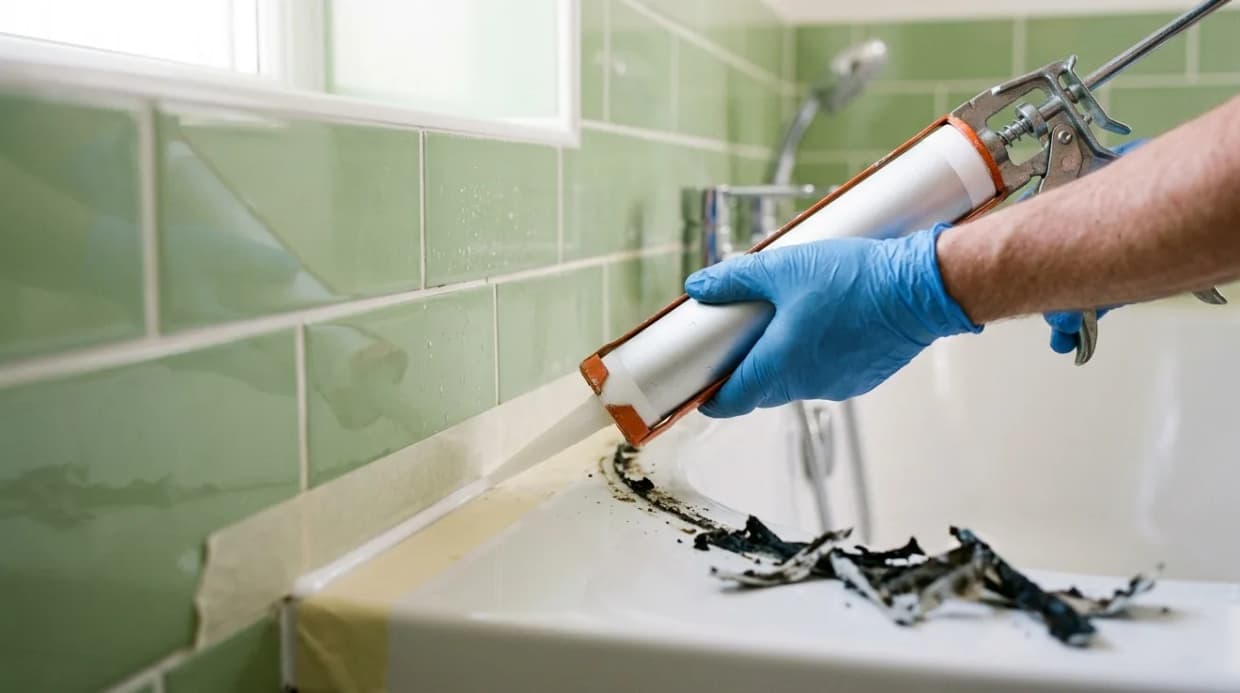
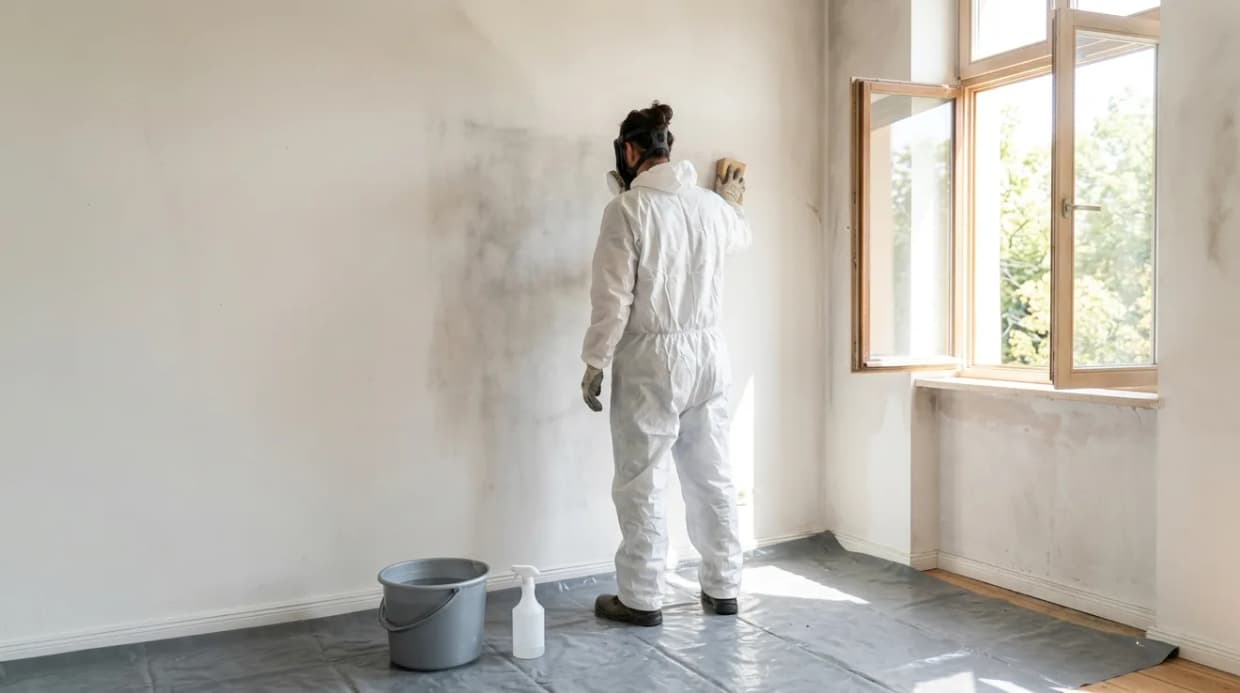
You rake out the old grout, replace the mouldy silicone around the bath and shower, and the bathroom looks ten years younger in one day for a fraction of a renovation. But the craft isn’t in the sealant gun. It’s in recognising when there’s water behind the tiles and regrouting would be cheating the customer.

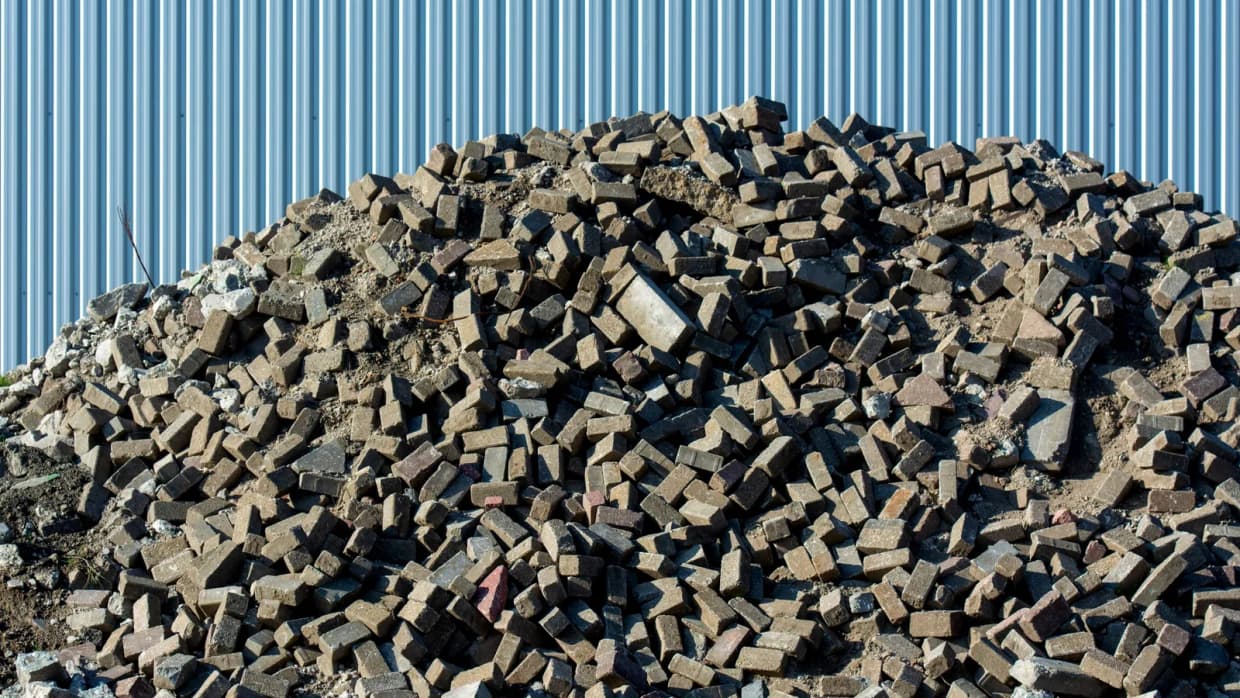
The customer gets a bulk bag, fills it with rubble during a renovation, and you load it with a crane arm and take it away. The bag fits in a yard or front garden where a skip won’t go. But profit depends on what people throw in and what you pay at the recycling centre.

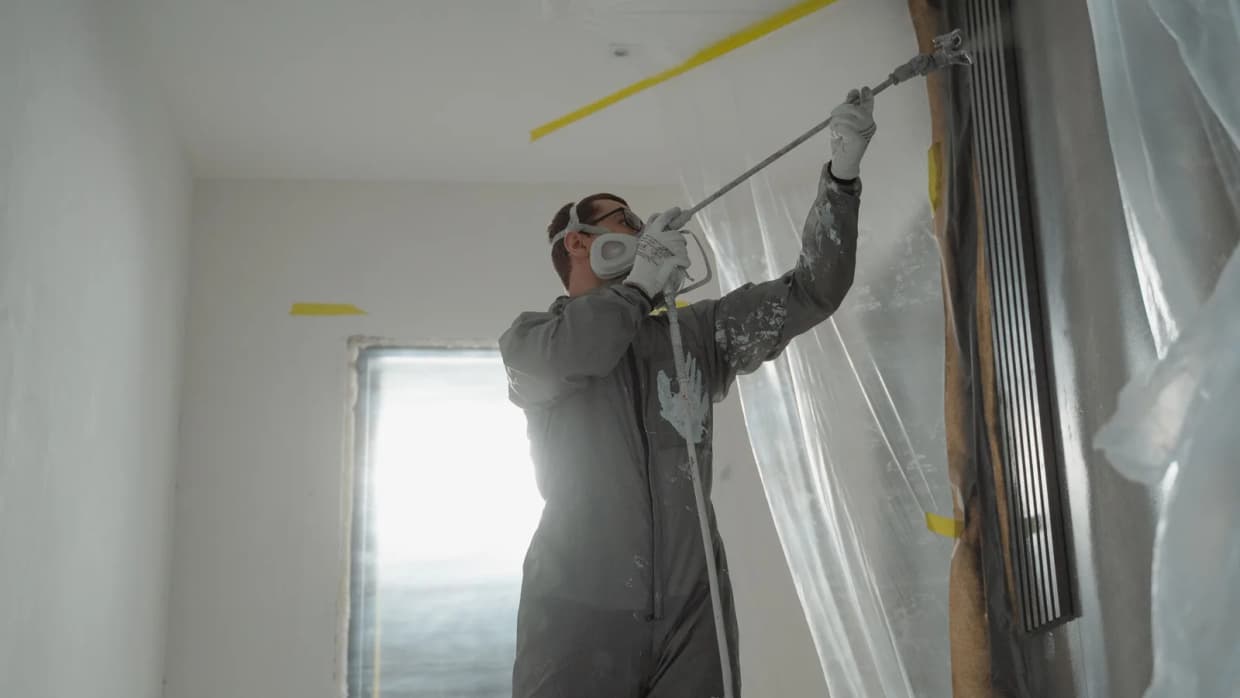
Painting crews spray with airless machines but only look after them once they stop working. You drive to the site, replace tips and filters, clean the machine and leave a spare. You earn because a worn tip quietly wastes paint and time.

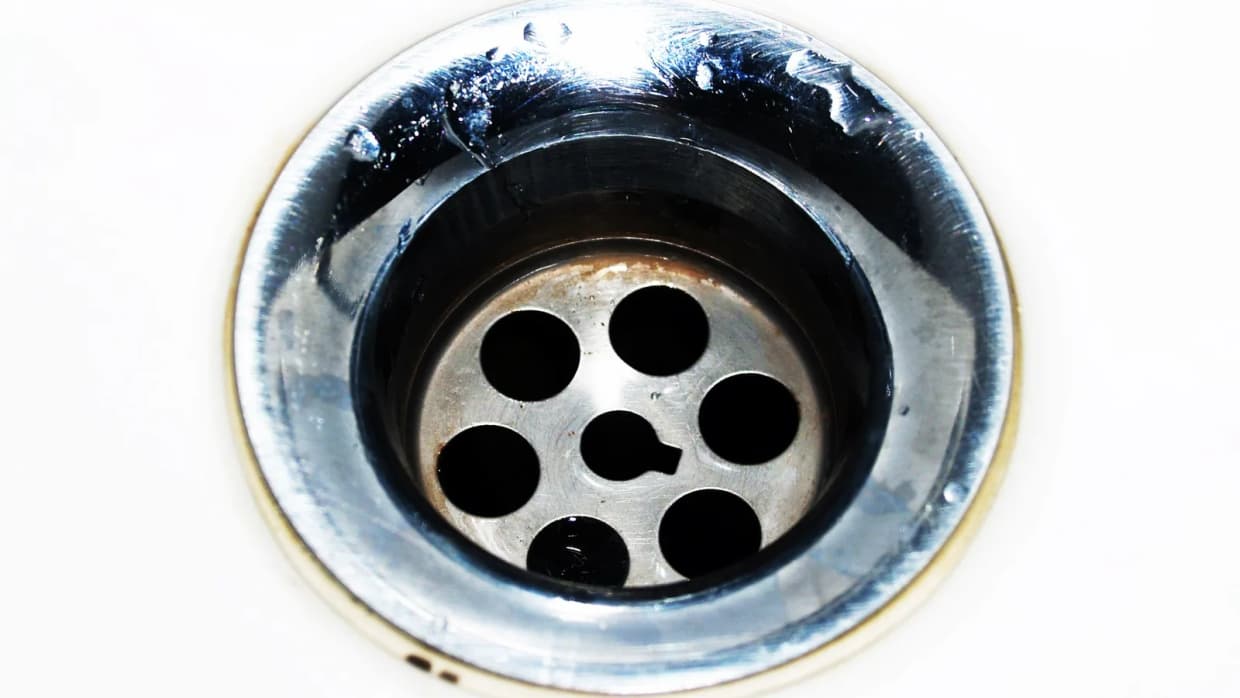
When water backs up into the bath, people call the first company they find and don’t haggle. That’s why you can earn fast here, and lose your reputation just as fast. The winner is whoever states the price up front and shows the camera footage of where the problem was.

You clear out a home after a death, remove the smell and disinfect it, or clean up soot and water after a fire or flood. Demand is steady and competition small, but the person who calls you often has no right to decide about the belongings, and after a fire the insurer pays only what it approves.

Grease builds up in the duct above the fryer for years and that grease is fuel running through the whole building. The operator has to prove the system is sound. You sell that proof; the washing is only how you get there.

You cannot pressure wash a green facade clean, you only destroy it. You apply a treatment at low pressure, it kills the growth to the root and the building finishes cleaning itself. You sell knowledge, not a machine.

Premises with a duster, a wash line, a spinner and a drying room. It cleans what you could never get out in somebody’s living room. First, though, you need the waste water sorted.

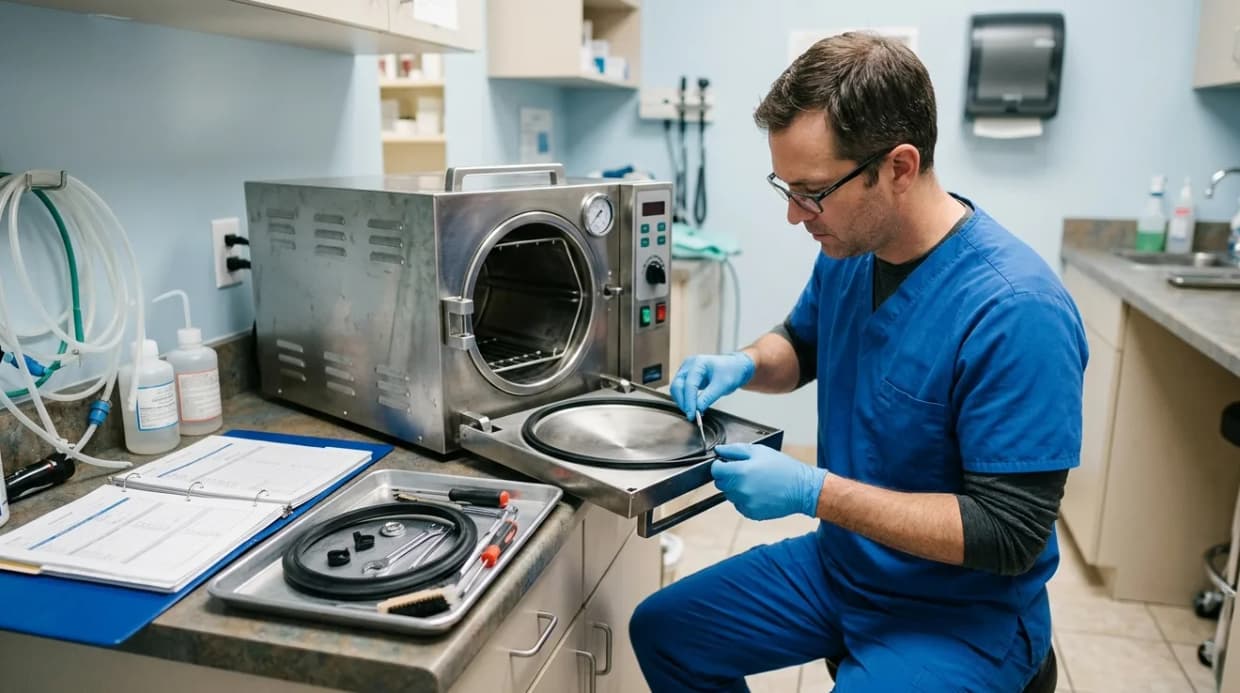
Studios with their own autoclave must prove it still sterilises. You drive the round, service the machine and hand back the records already written up.

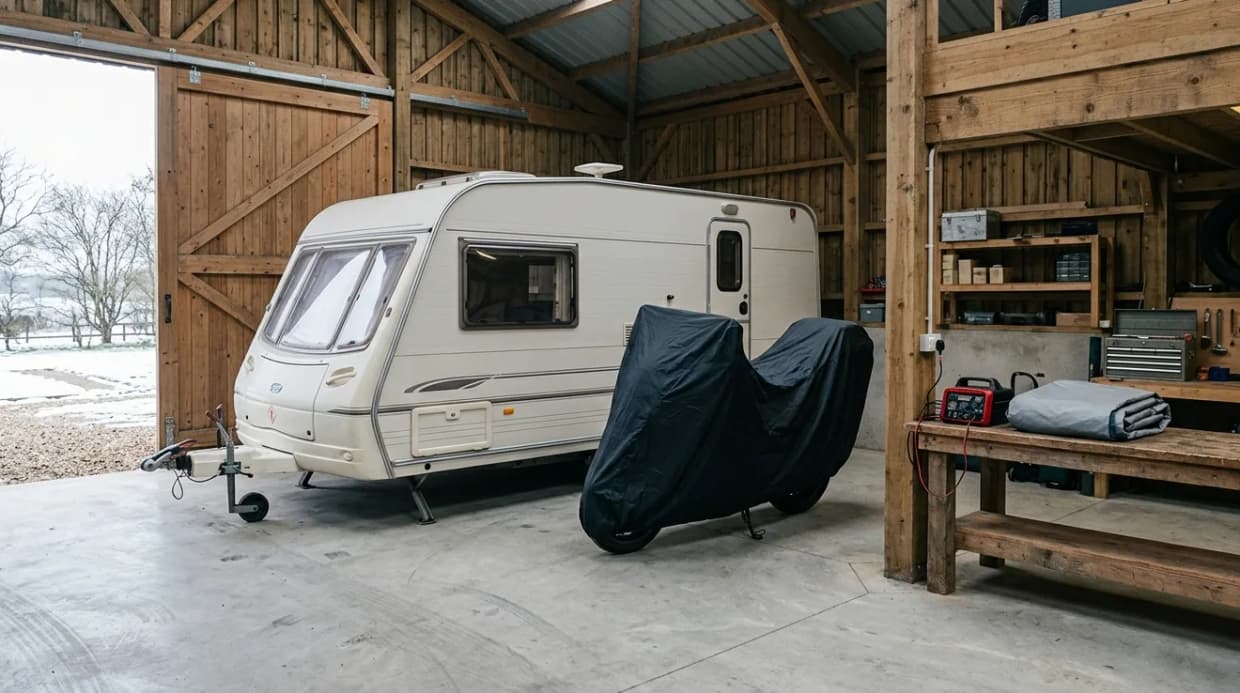
Caravan, motorbike and mower owners don't want to lose a weekend to contradictory advice — you lay the machine up properly and hand it back running in spring.

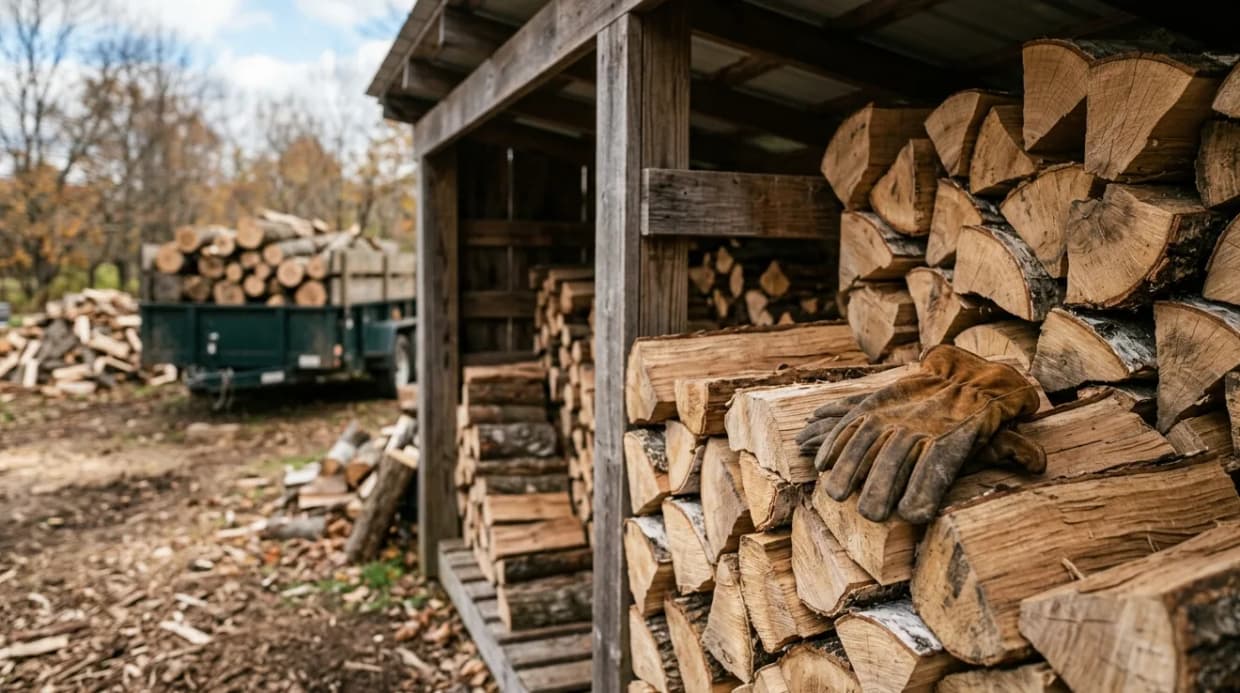
Most suppliers drop the load at the kerb and drive off. This service brings the fuel in, stacks it in the log store, and carries it to the door for older customers.

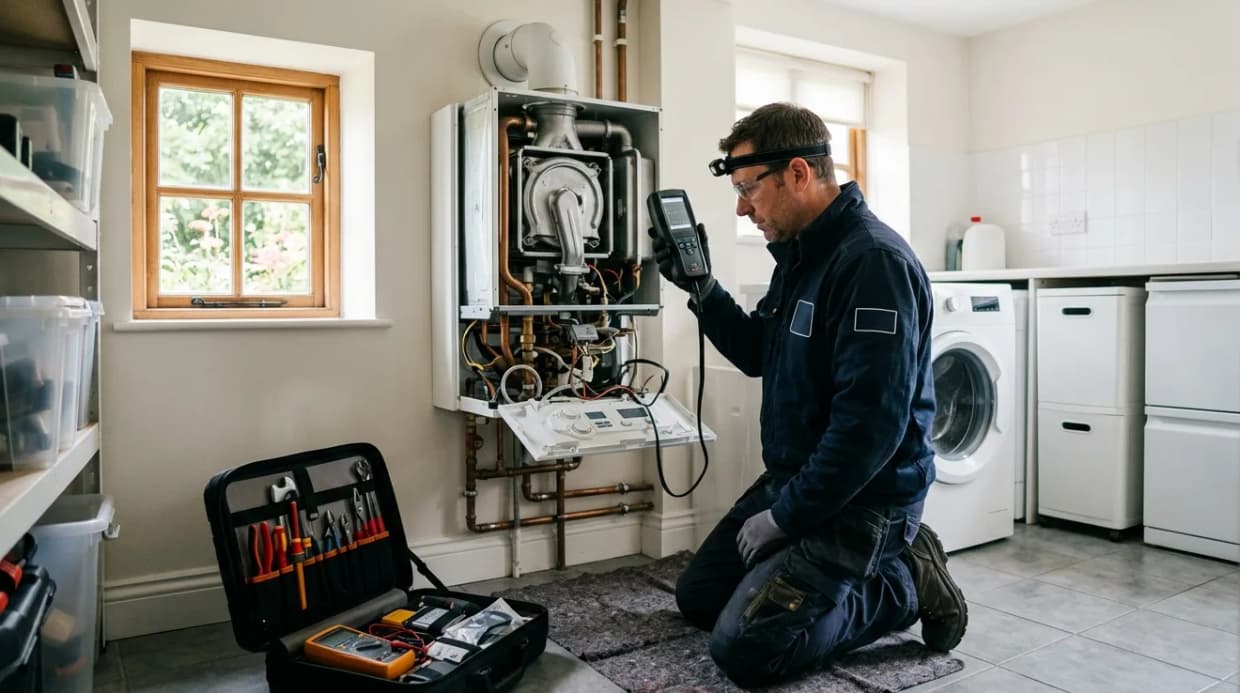
Homeowners and landlords only call once the heating dies. A check booked well ahead gives them a slot, a record and no scramble.

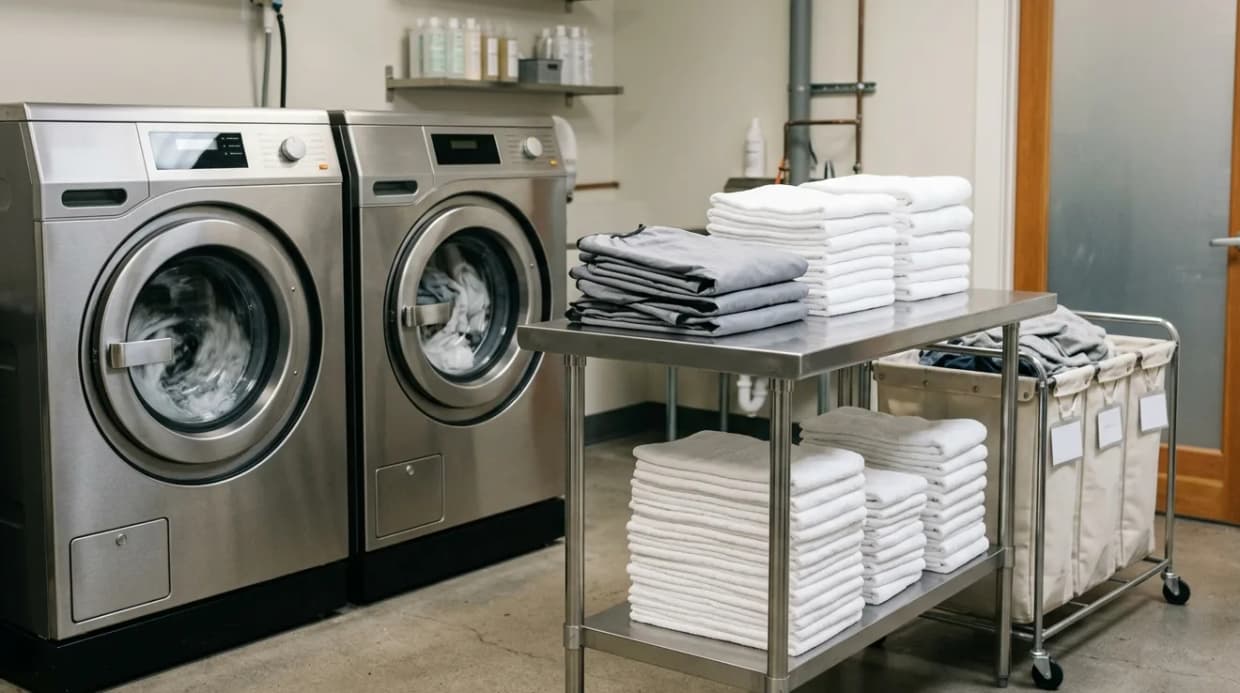
Salons, treatment rooms and holiday lets wash towels after hours. You give them a fixed round, professional machines and one monthly price.

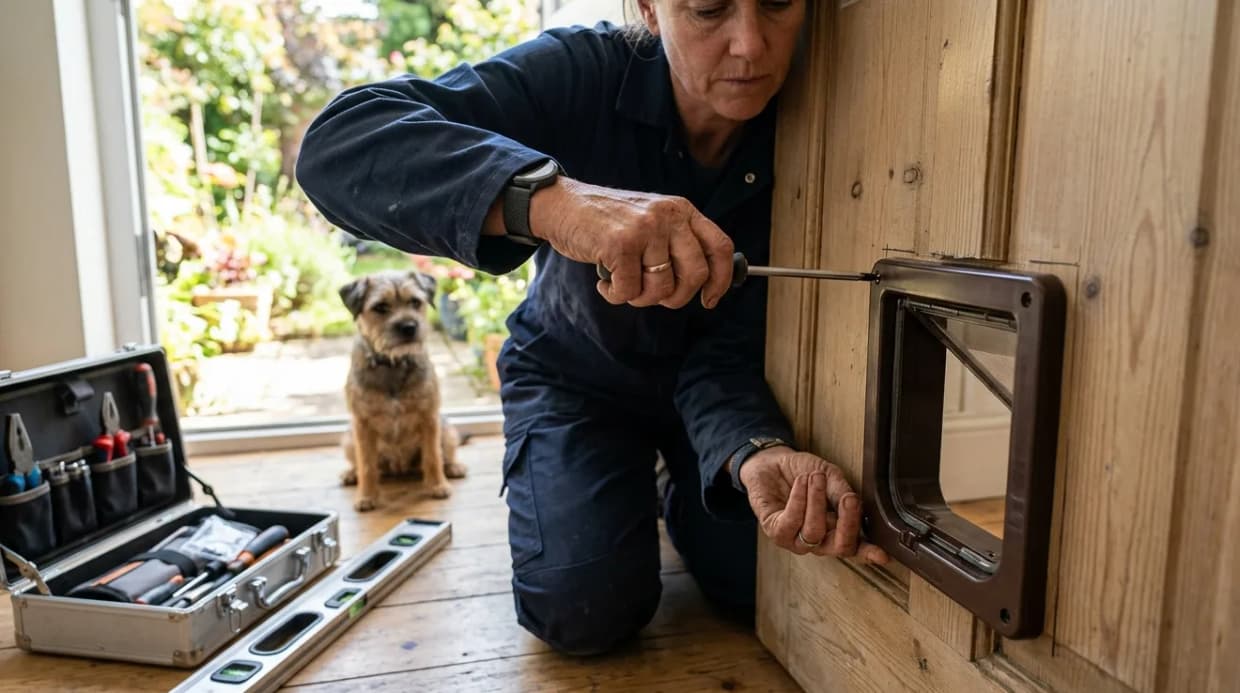
Pet owners can buy a flap in minutes but will not cut into their own door or glazing. You survey it, pick the right flap and fit it so the door still seals.

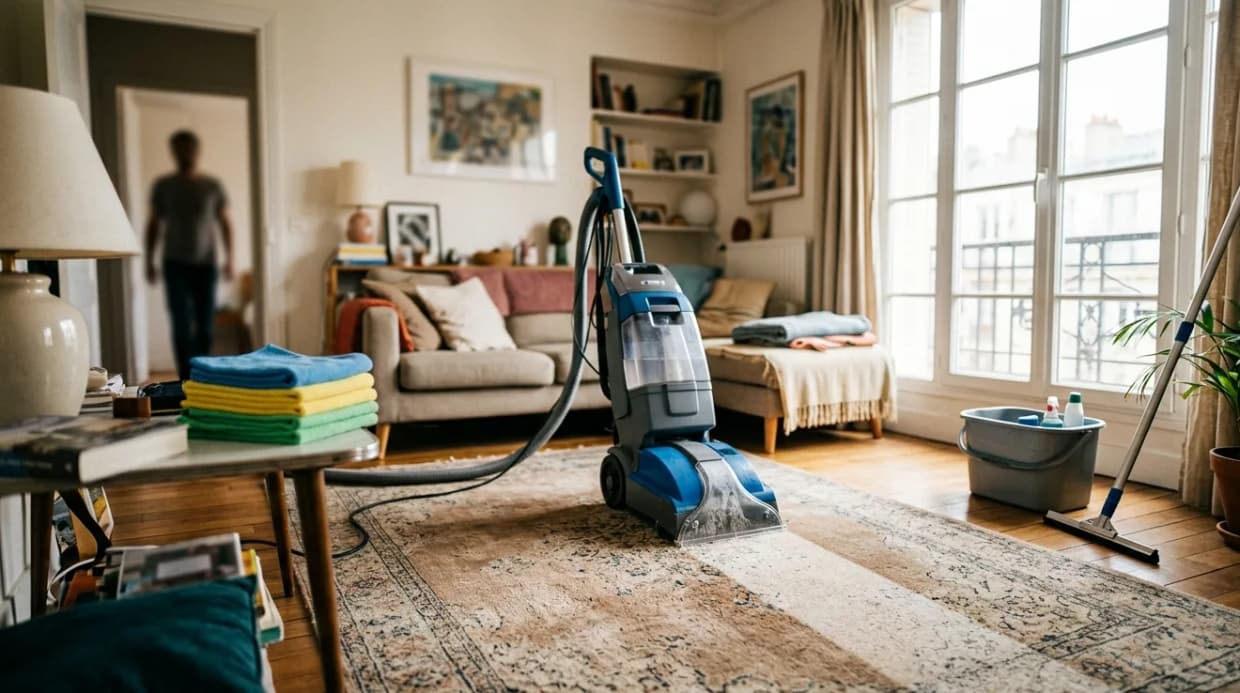
Households want to choose a cleaning job, pick a slot and see the price, instead of ringing round and waiting a week for a survey.

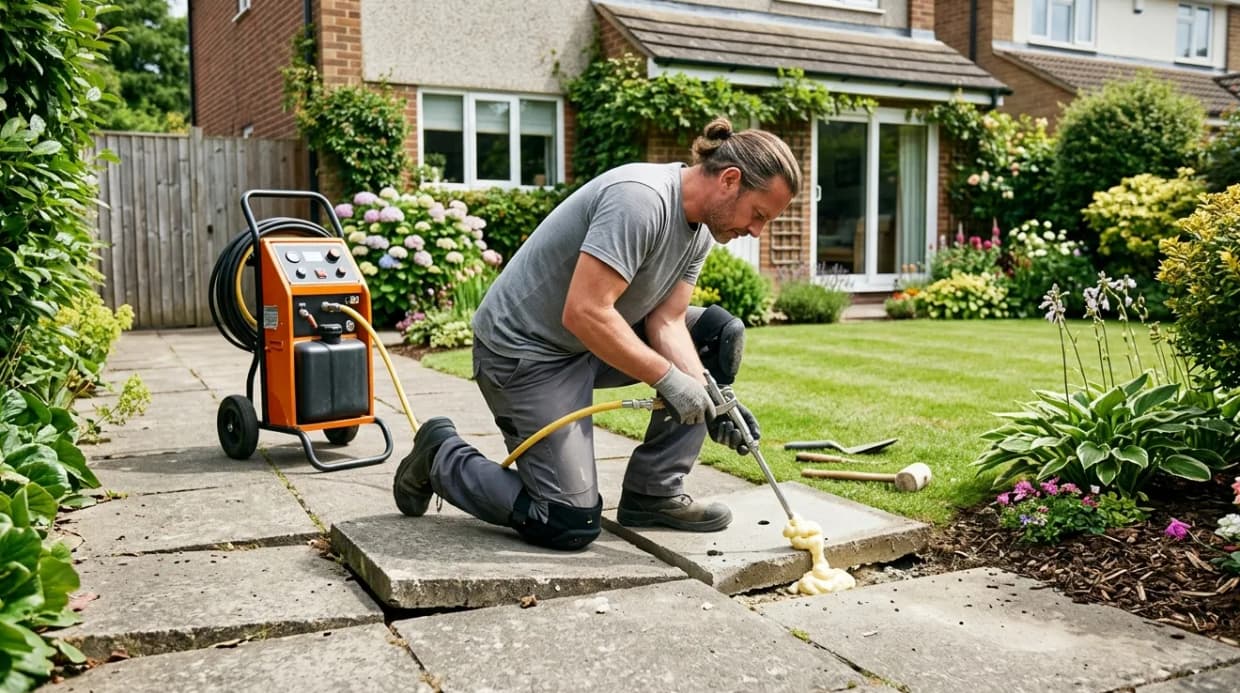
Sunken paths, patios and garage floors used to mean breaking up and re-pouring. Injection lifts them back level in hours — with no mess across the garden.

Machine-laid anhydrite and cement screeds, epoxy floors and machine plastering for sites and developers. The machine does in a day what a hand takes a week.

Mobile car air-con recharging, cleaning and leak-finding at the customer, including the new refrigerant for newer cars that few garages can handle.

Insulating homes with spray PUR foam and blown insulation by machine, with grant paperwork handled. Demand is driven by energy prices; payback runs to a few years.

Removing stumps and roots below ground level with a dedicated grinder — a service in demand from arborists, landscapers and councils, yet in short supply.

Risky tree felling near houses and lines, pruning and tree care by climbing technique. Certification and safety keep competition low; the price is set after a site visit.