Skilled and personal work for customers near you: repairs and maintenance, cleaning, beauty and grooming, pet care, transport and removals. Starting is usually cheaper than opening a unit — typically equipment, a vehicle and the right permits. Every entry gives the startup cost, margins, a step-by-step launch plan, the risks, and a calculator for your own numbers.
The trade-off is plain: income is tied to your hours. When you are not working, nothing comes in, and holidays and sick days pay for themselves out of your own margin. Add travel, waiting and cancelled appointments, and billable hours end up well below hours worked. If you want income that keeps running without you, look at online business instead.
157 ideas in this theme
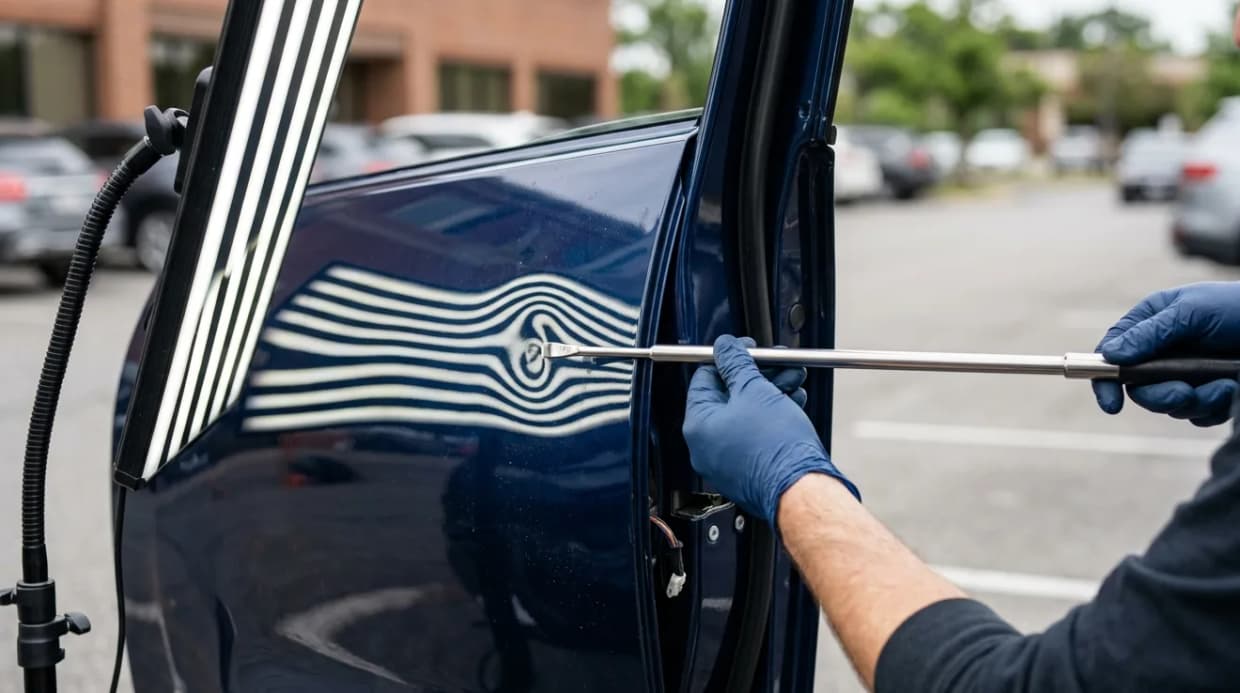
With special rods and glue pulling you push the metal back into shape without touching the paint. You drive to the customer, a trolley or door dent disappears within an hour and the car keeps its original paint. But the craft isn’t in the tools. It’s in judging which dent can be repaired invisibly and which you must turn down before you make it worse.
And 615+ more ideas waiting inside
Unlock the full databaseThe ones short of people, where customers need help quickly — maintenance, repairs, work that cannot be postponed. You can test demand without research: call a few local firms and ask for their next free slot. Long waiting times are the most reliable signal there is.
Trades where your own tools and transport to the customer are enough — cleaning, small repairs, dog walking and pet sitting. Each entry breaks the startup cost into items, including insurance and any licensing that particular line of work carries.
Yes, you need to trade legally, and some fields require proven qualifications or a specific permit — typically food handling, electrical work and passenger or goods transport. Each idea flags the requirements that apply to it; confirm the exact terms with your local trade authority before you commit.
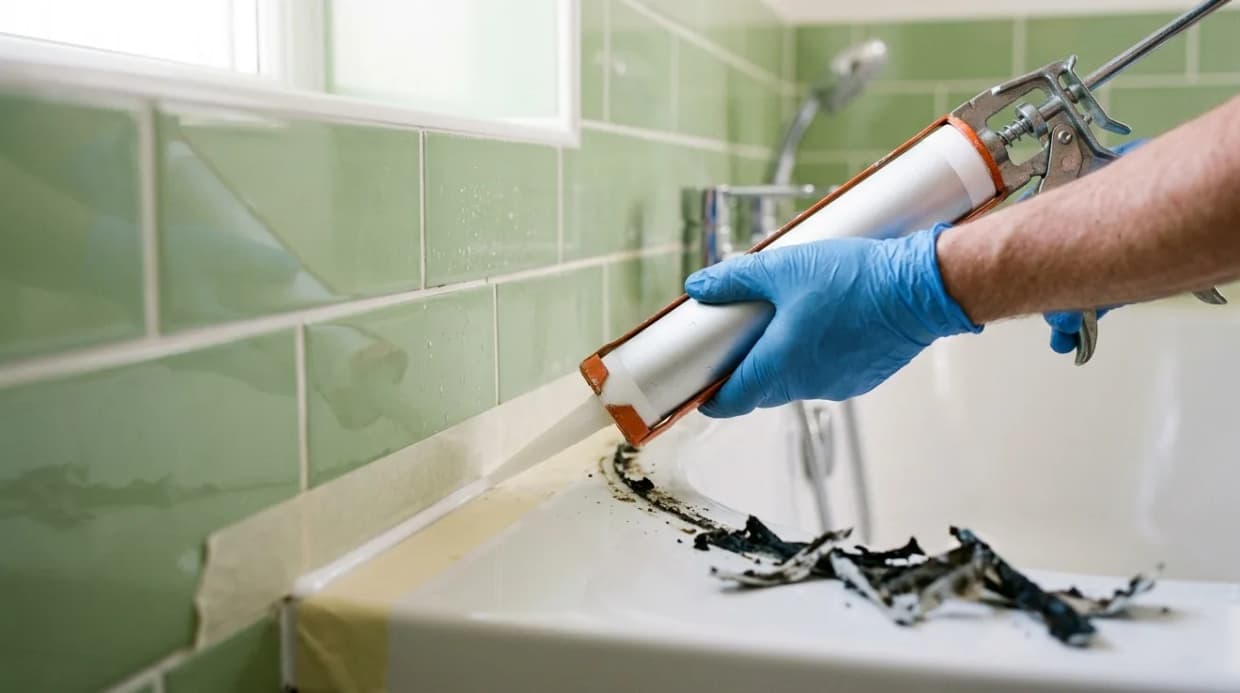

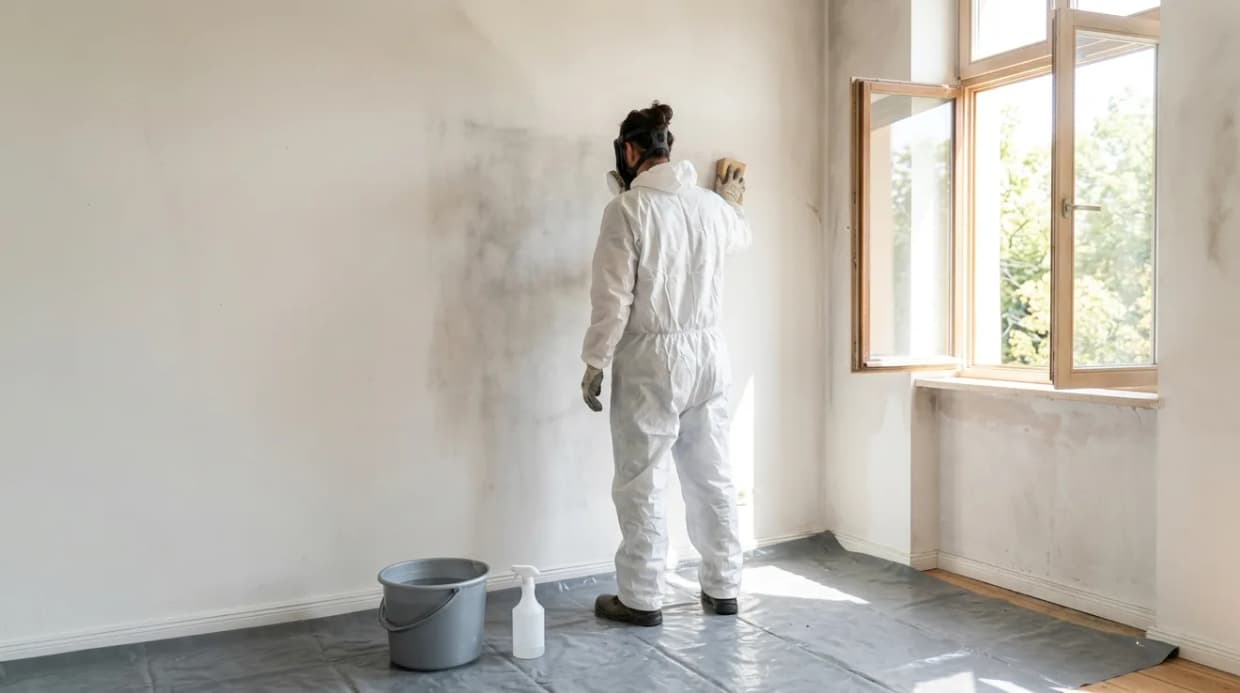
You rake out the old grout, replace the mouldy silicone around the bath and shower, and the bathroom looks ten years younger in one day for a fraction of a renovation. But the craft isn’t in the sealant gun. It’s in recognising when there’s water behind the tiles and regrouting would be cheating the customer.

When a tenant moves in and when they move out, you come, go through the flat room by room, photograph the condition, record the meters and keys and draw up a report both parties sign. When a deposit dispute comes, this document decides — and it carries more weight when it wasn’t written by the person holding the deposit.

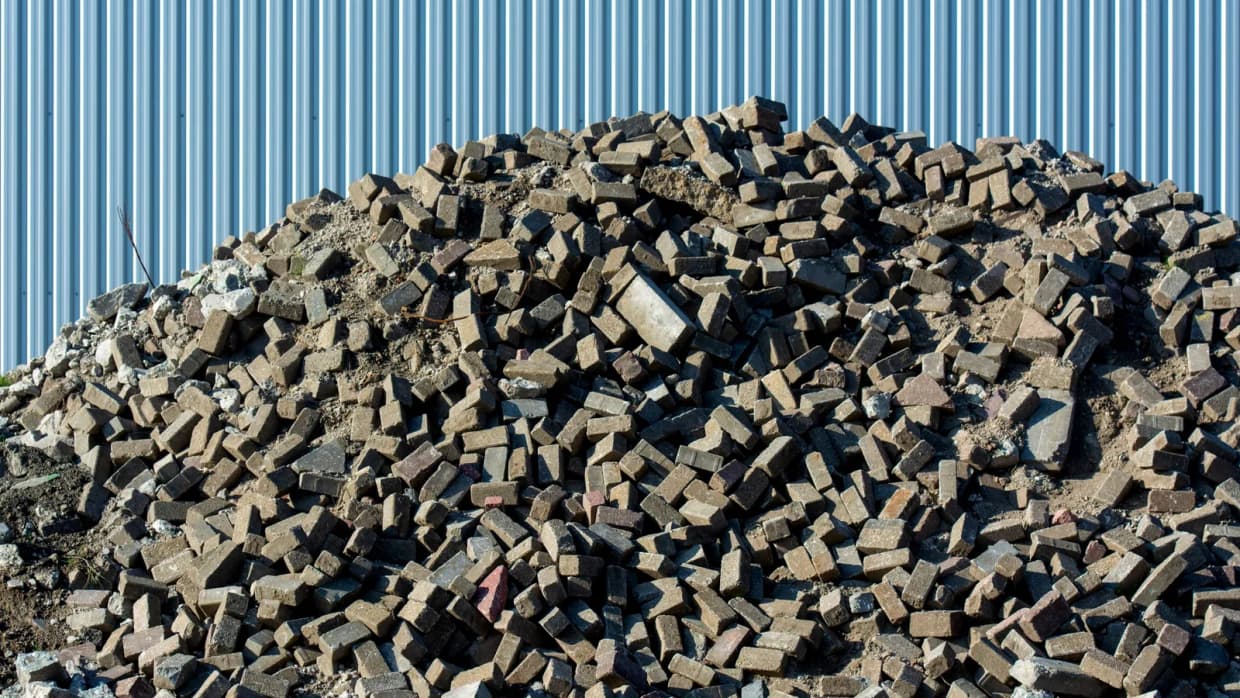
The customer gets a bulk bag, fills it with rubble during a renovation, and you load it with a crane arm and take it away. The bag fits in a yard or front garden where a skip won’t go. But profit depends on what people throw in and what you pay at the recycling centre.

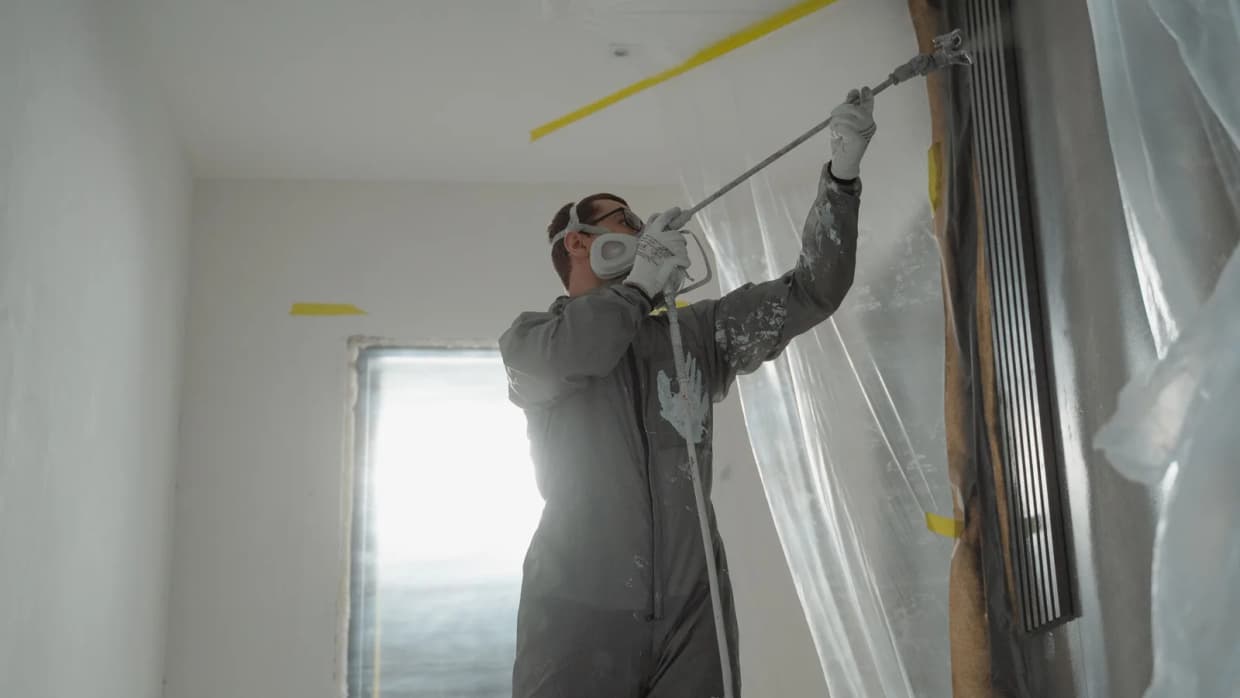
Painting crews spray with airless machines but only look after them once they stop working. You drive to the site, replace tips and filters, clean the machine and leave a spare. You earn because a worn tip quietly wastes paint and time.

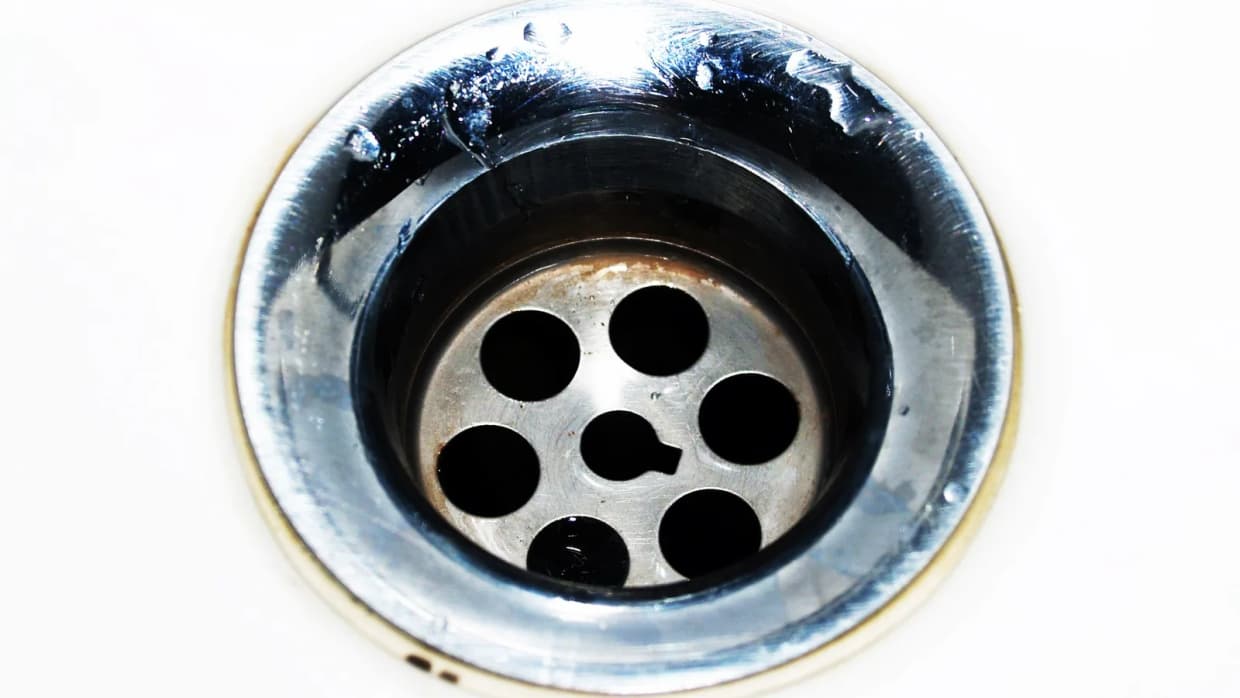
When water backs up into the bath, people call the first company they find and don’t haggle. That’s why you can earn fast here, and lose your reputation just as fast. The winner is whoever states the price up front and shows the camera footage of where the problem was.

You clear out a home after a death, remove the smell and disinfect it, or clean up soot and water after a fire or flood. Demand is steady and competition small, but the person who calls you often has no right to decide about the belongings, and after a fire the insurer pays only what it approves.

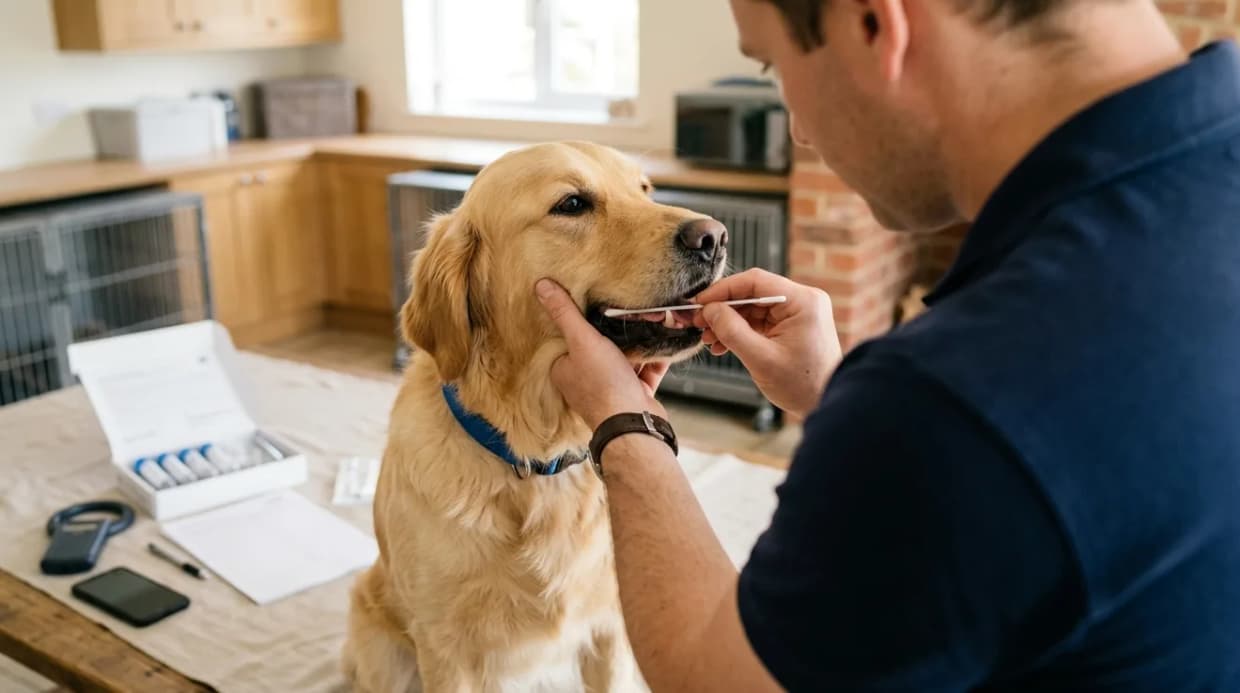
Anyone can order a test today, but then they hold a report full of abbreviations. You take the sample so that the club will accept it, handle the formalities and explain the result. You don’t own a lab and you don’t diagnose.

Grease builds up in the duct above the fryer for years and that grease is fuel running through the whole building. The operator has to prove the system is sound. You sell that proof; the washing is only how you get there.

You cannot pressure wash a green facade clean, you only destroy it. You apply a treatment at low pressure, it kills the growth to the root and the building finishes cleaning itself. You sell knowledge, not a machine.

Premises with a duster, a wash line, a spinner and a drying room. It cleans what you could never get out in somebody’s living room. First, though, you need the waste water sorted.

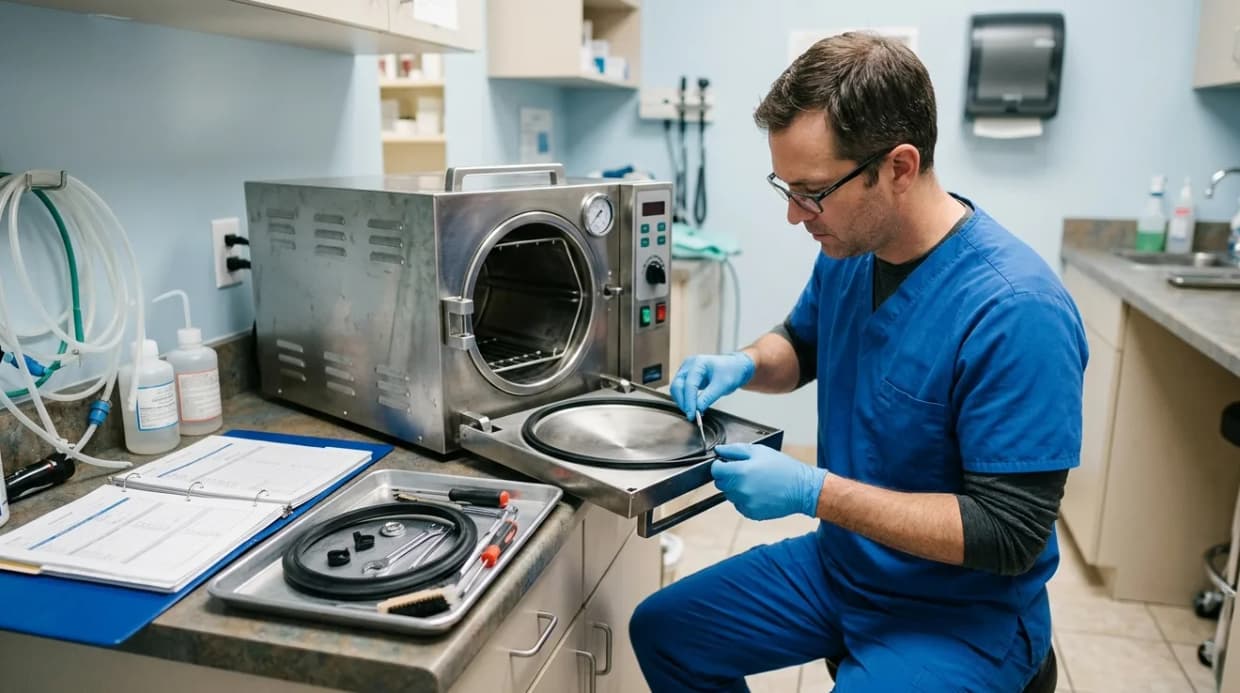
Studios with their own autoclave must prove it still sterilises. You drive the round, service the machine and hand back the records already written up.

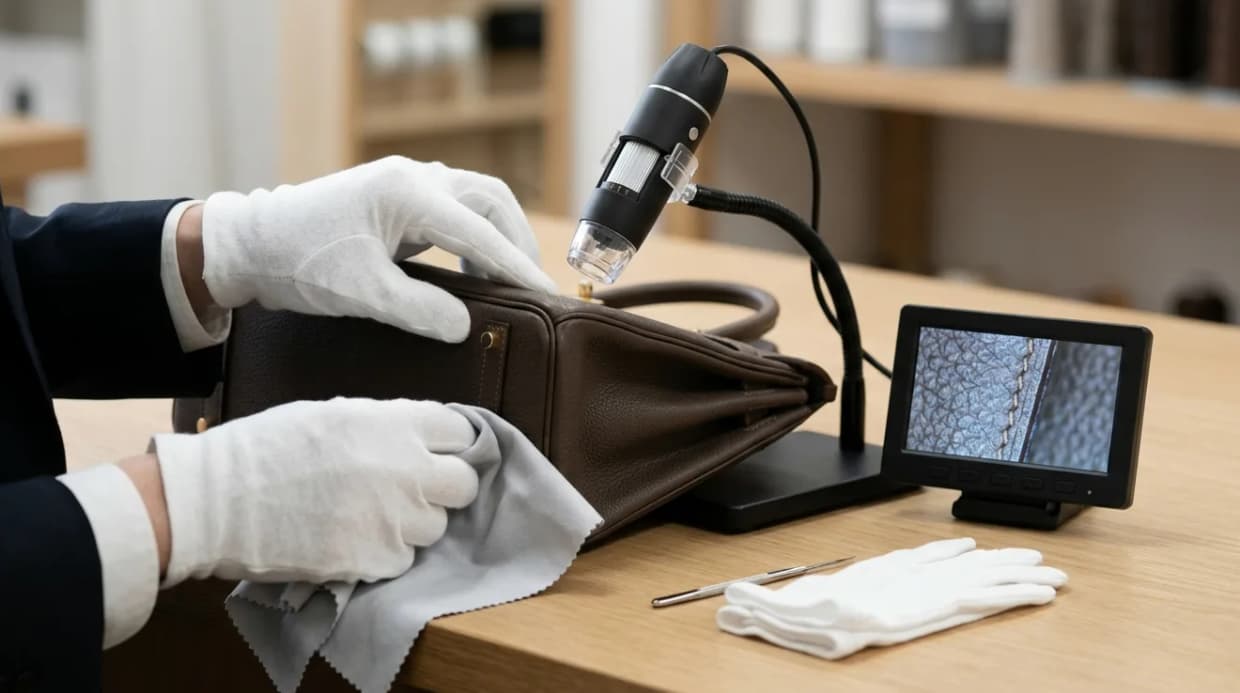
Buyers fear fakes and sellers are on the hook for what they sell. You give both sides an independent opinion on authenticity — with no stock at all.

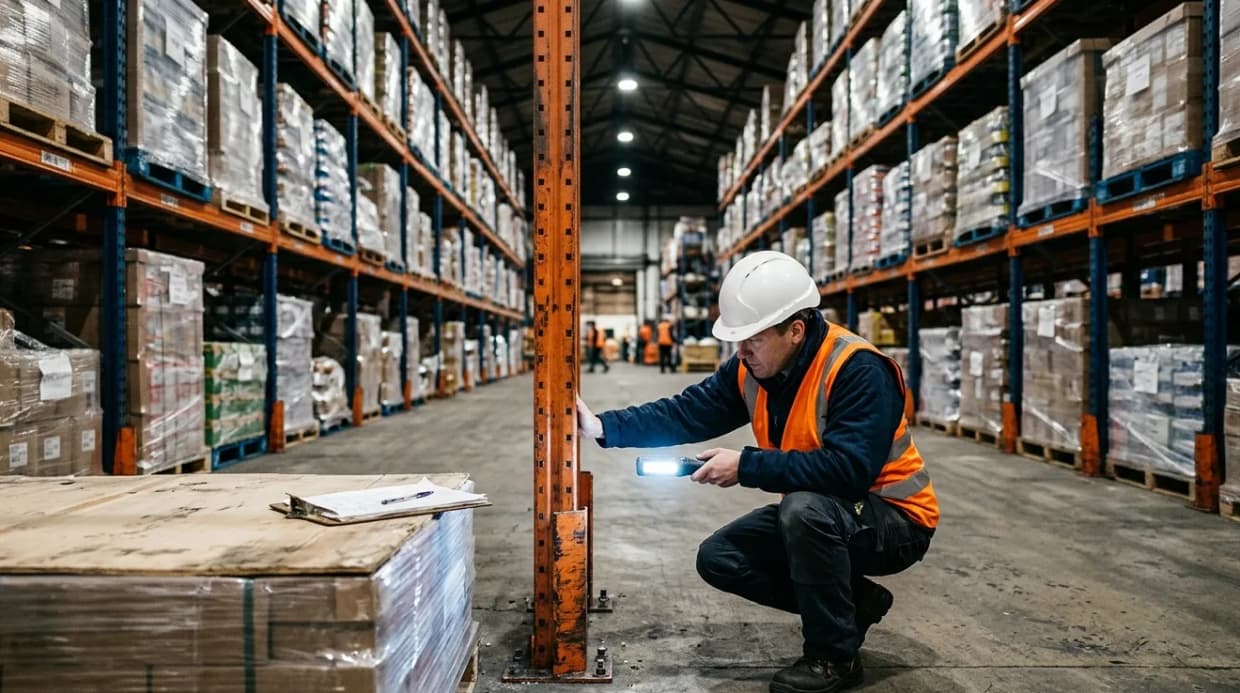
Warehouse operators have to show their racking gets checked. You walk the aisles, grade every dent and hand over a report that holds up.

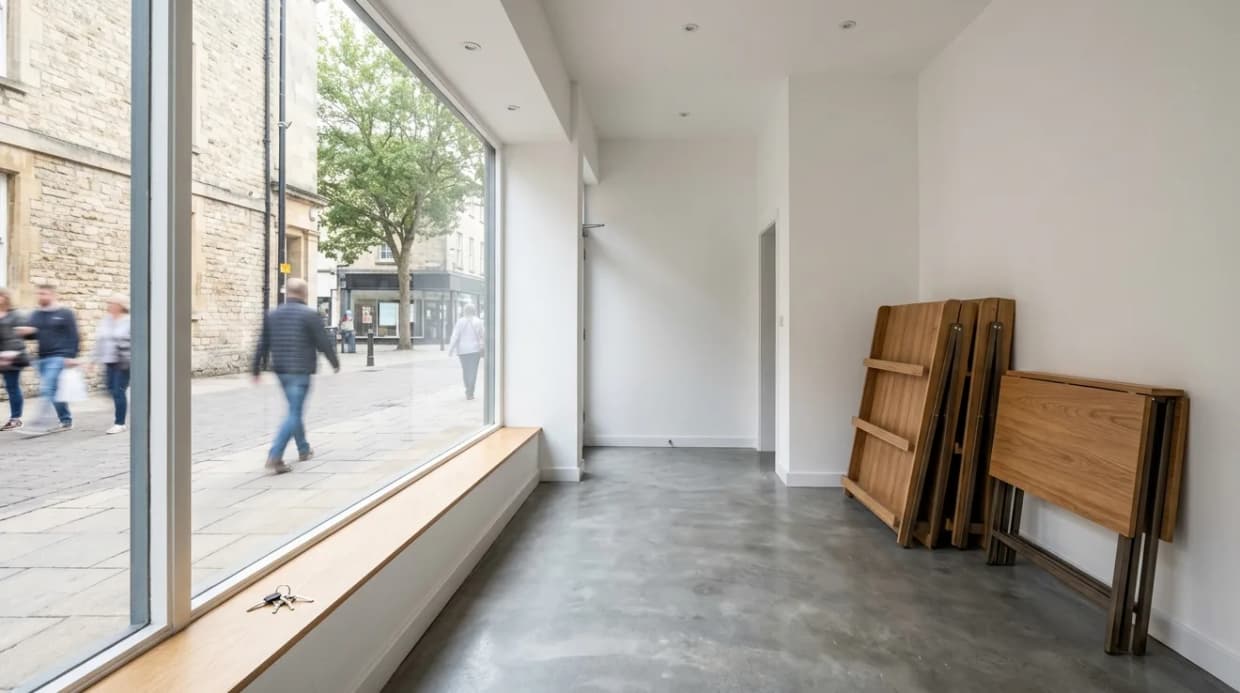
Landlords cannot let a unit for a fortnight and brands have nowhere to test the high street. You broker the deal and hand over a shop ready to trade.

Households juggling several diets have nothing they can order in. Once a week you cook a week's worth of meals in their own kitchen.

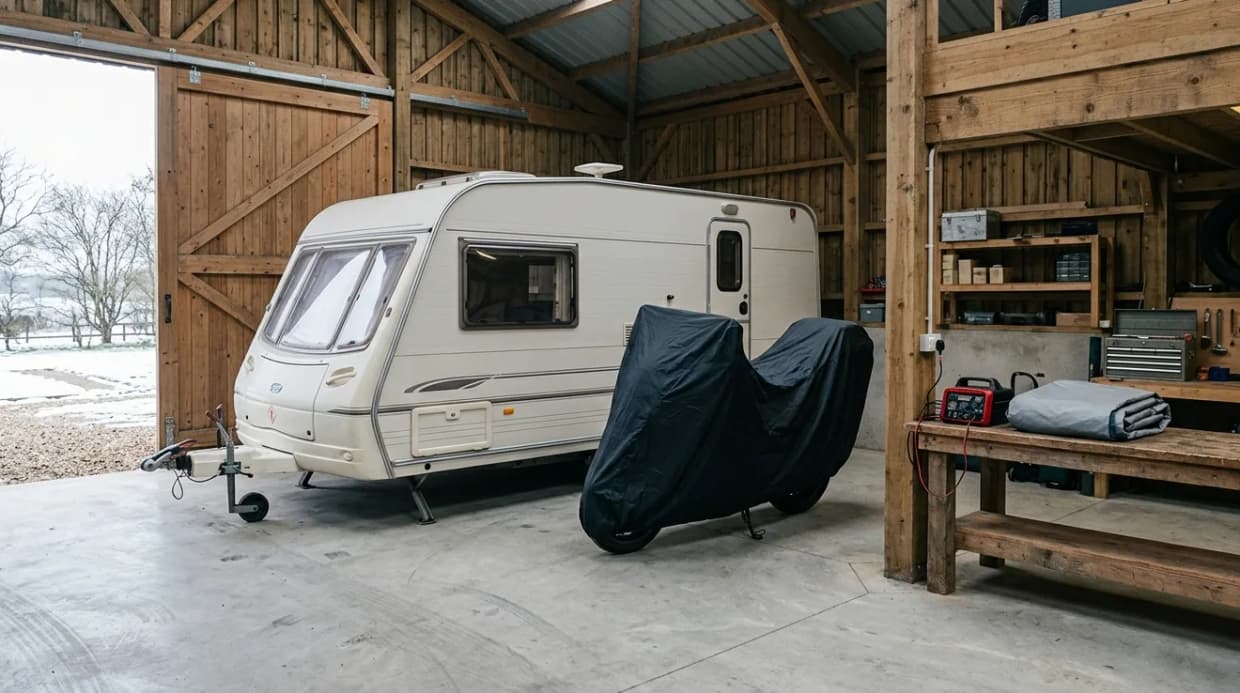
Caravan, motorbike and mower owners don't want to lose a weekend to contradictory advice — you lay the machine up properly and hand it back running in spring.

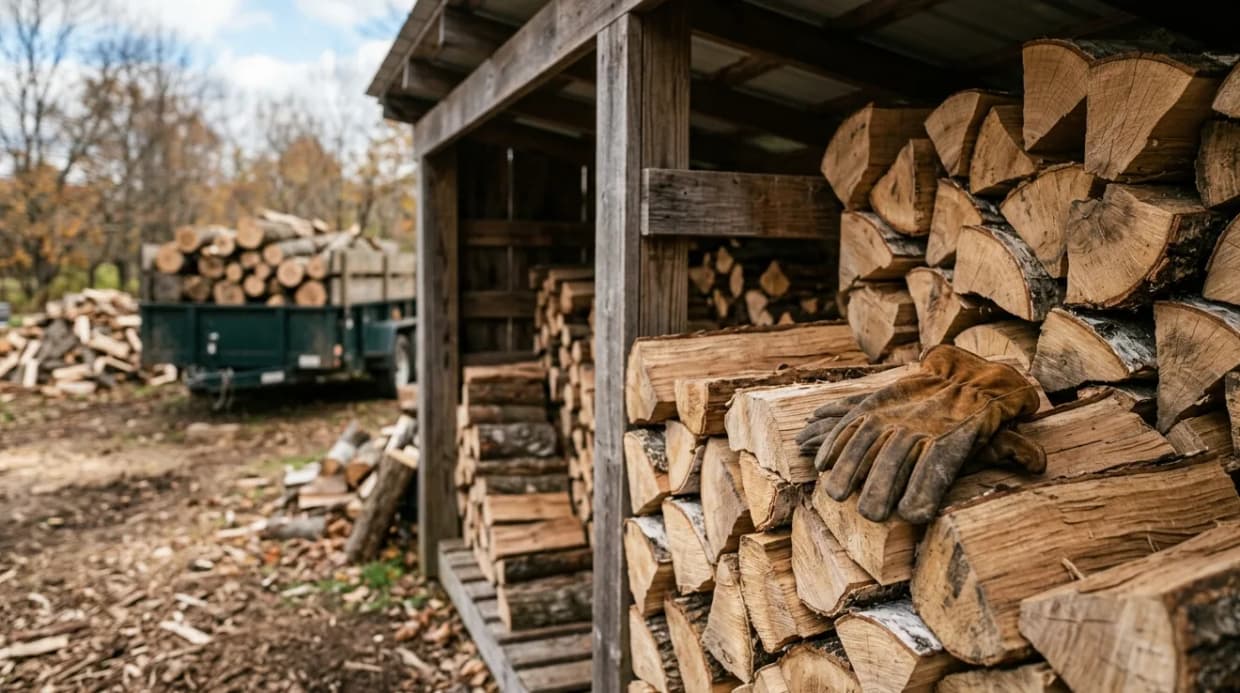
Most suppliers drop the load at the kerb and drive off. This service brings the fuel in, stacks it in the log store, and carries it to the door for older customers.

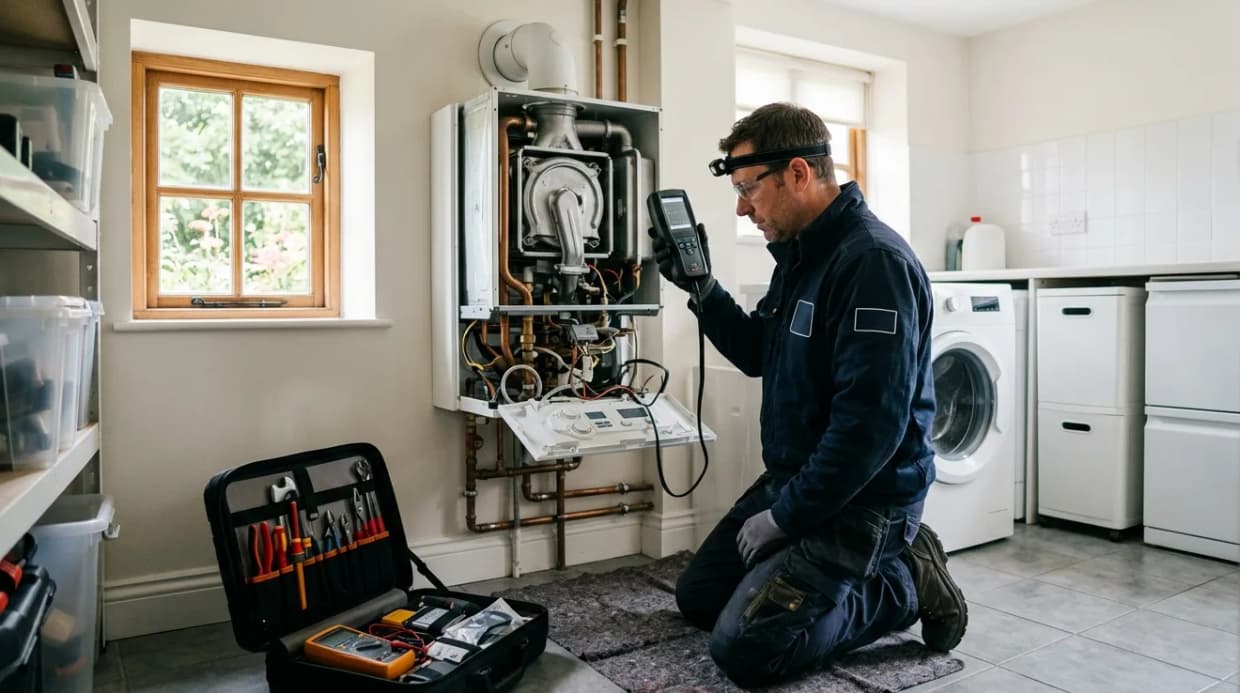
Homeowners and landlords only call once the heating dies. A check booked well ahead gives them a slot, a record and no scramble.

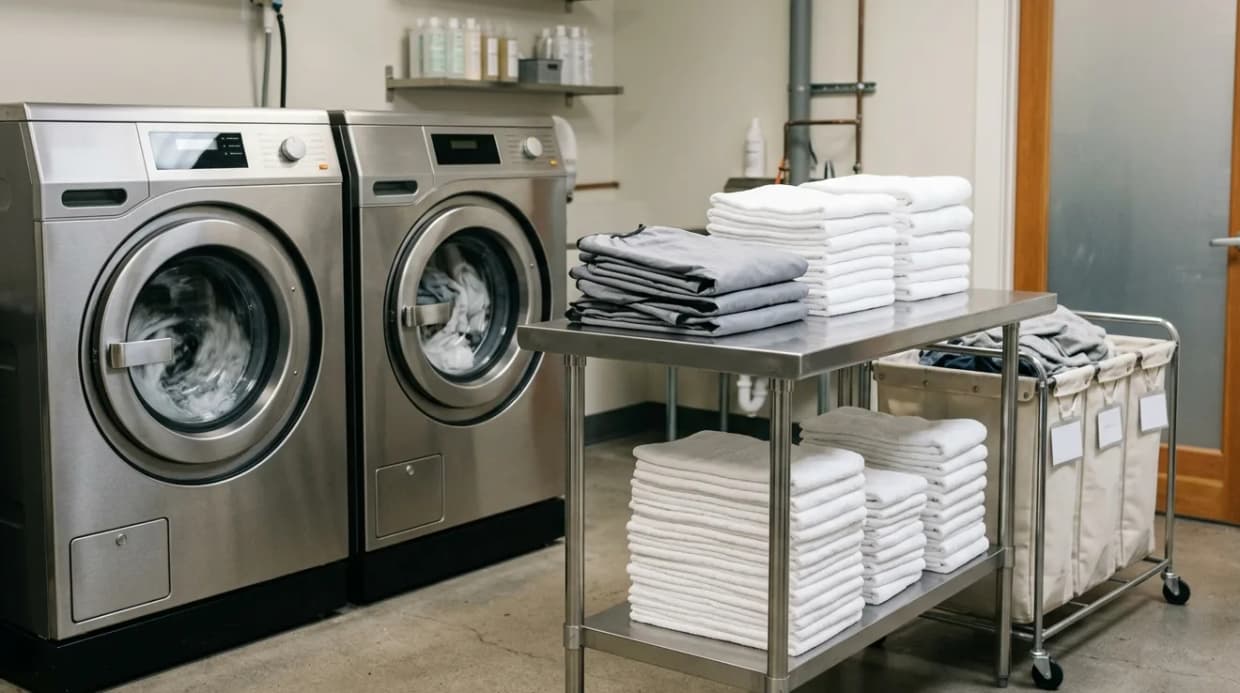
Salons, treatment rooms and holiday lets wash towels after hours. You give them a fixed round, professional machines and one monthly price.

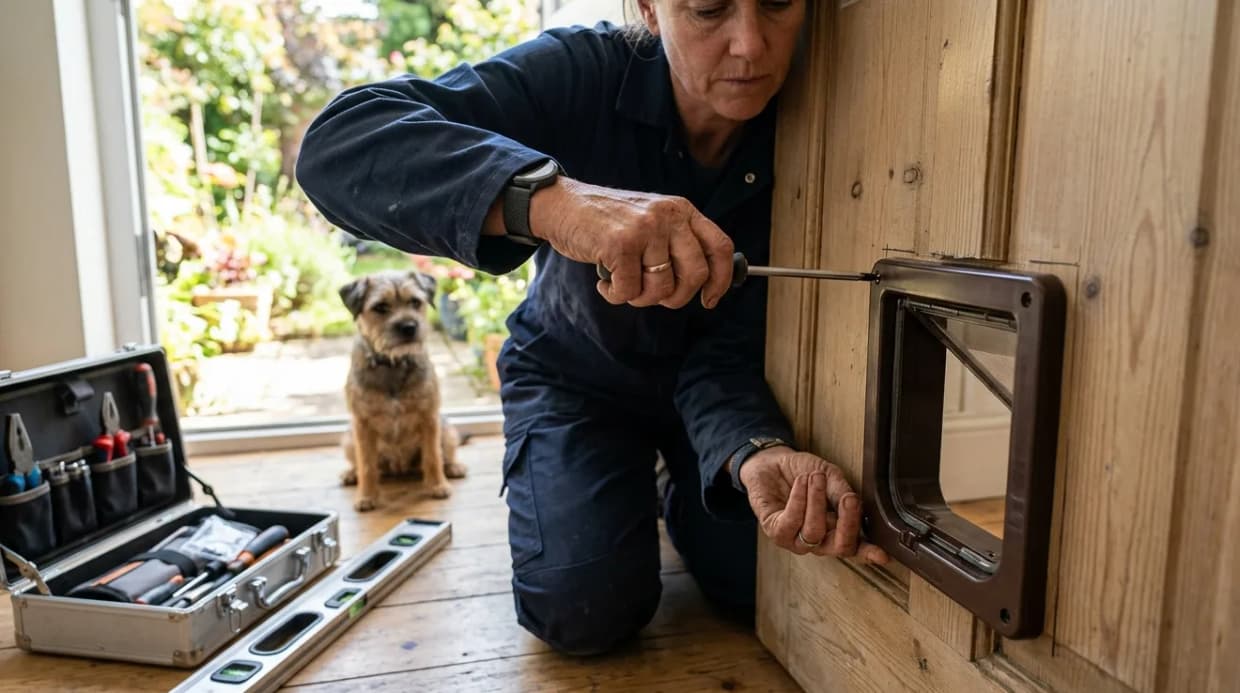
Pet owners can buy a flap in minutes but will not cut into their own door or glazing. You survey it, pick the right flap and fit it so the door still seals.

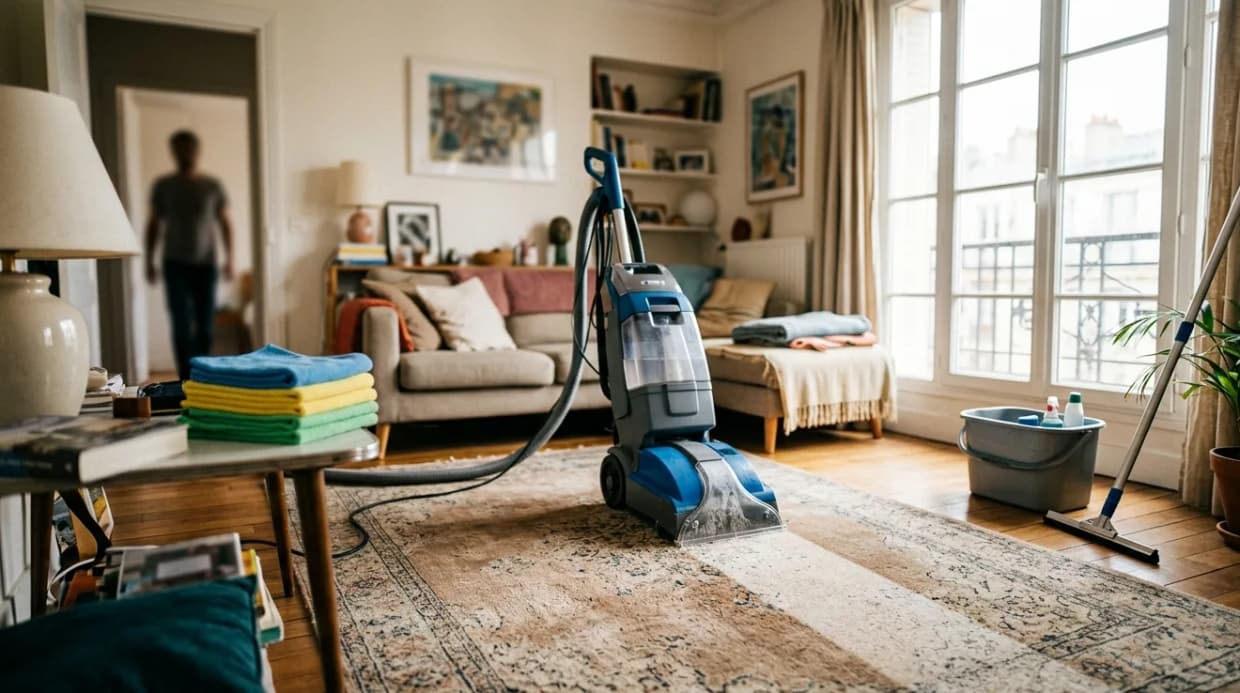
Households want to choose a cleaning job, pick a slot and see the price, instead of ringing round and waiting a week for a survey.

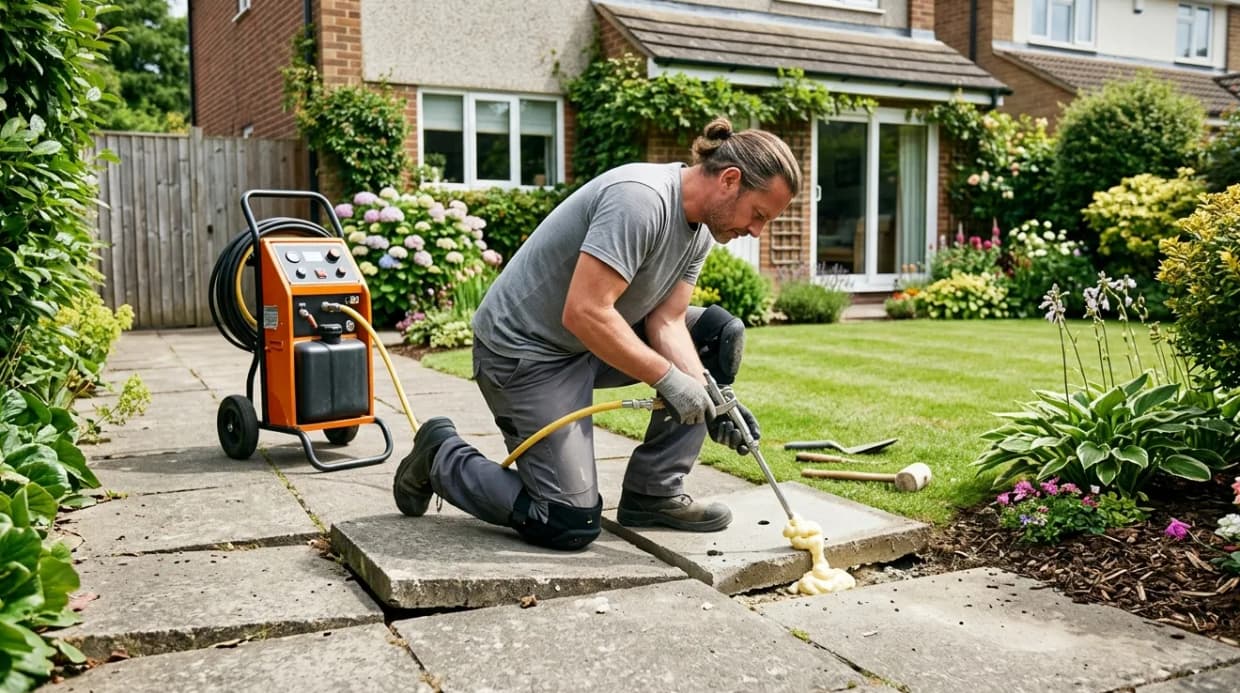
Sunken paths, patios and garage floors used to mean breaking up and re-pouring. Injection lifts them back level in hours — with no mess across the garden.

Machine-laid anhydrite and cement screeds, epoxy floors and machine plastering for sites and developers. The machine does in a day what a hand takes a week.