Reselling has the lowest barrier to entry in the whole catalogue: buy low, sell higher. But the margin does not come from luck or from stumbling onto a clearance sale. It comes from knowing what a thing is worth before the seller does — and that knowledge either comes from a trade you already know, or you pay for it in mistakes.
There are 21 ideas here: thrift and second-hand selling, liquidation and returns pallets, retro electronics, furniture, collectibles. Each entry gives the capital required, the usual margin, the steps and the risks. The calculator accounts for what does not sell — and unsold stock is what decides whether this is a business or an expensive hobby.
22 ideas in this theme

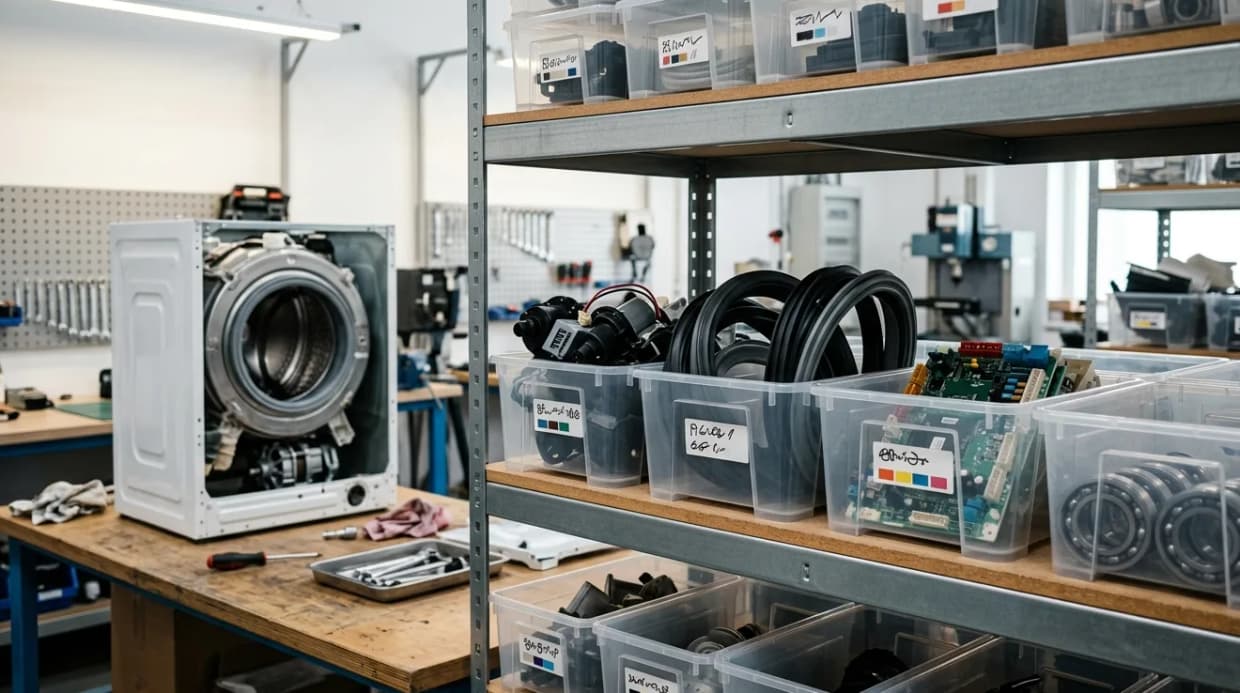
The manufacturer no longer supplies the part an older washing machine needs. This business pulls it from scrapped ones, legally.

Buying ex-leasing cars from DE, AT, NL auction platforms, importing to UK and selling with a meaningful margin per car.

Smaller-scale Knihobot competitor — buying books cheaply, selling online through own e-shop with indexing in price comparison engines.

Dual income: rescue service for half-dead plants (client pays) plus resell of donated plants after rehabilitation.

UK shoppers struggle to get hold of interesting Kickstarter gadgets. A specialist shop imports validated products and ships them locally.

Anyone who can spot undervalued furniture and appliances and arrange collection can resell them for profit on local marketplaces.

Buy tickets at face value and sell them for a profit — but margins are thinner and legal risks higher than they appear.

You connect sellers and buyers of premium watches and earn a commission on every successful deal — without ever owning the timepieces yourself.

Fans can't get tickets to sold-out matches. Direct contact with season ticket holders bypasses queues and overpriced platforms.

Second-hand buyers struggle with quality uncertainty. Guaranteed inspection and hassle-free returns remove that barrier entirely.

For collectors and enthusiasts: buy undervalued cards and comics, then sell them for profit on specialist online platforms.

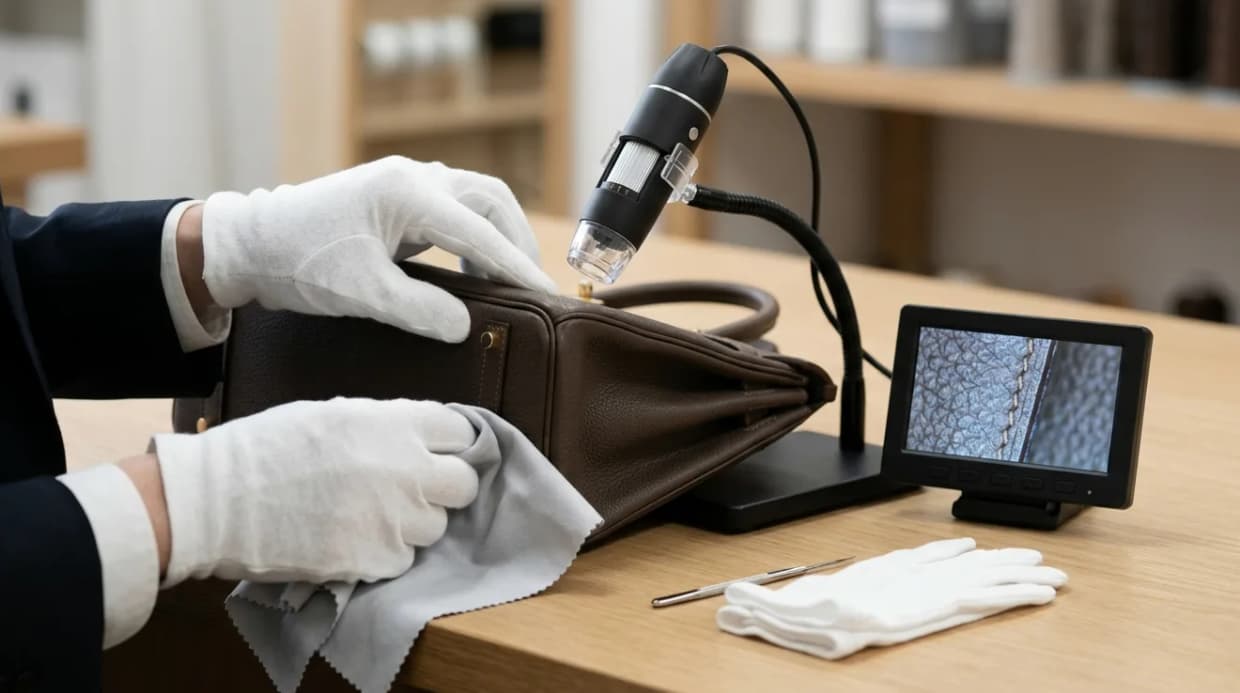
Buyers of premium brands have nowhere to buy verified pieces. An online store with an authenticity guarantee changes that.

Creators of viral mobile footage look for ways to monetise it — marketplaces connect them with news agencies and broadcasters.

Collectors hunt for specific vinyl records but can't find them. You source them cheaply and sell where collectors actually buy.

Buy returned goods in bulk pallets and resell items individually for profit — a growing side income model in the UK.

Business owners need strong web addresses but don't know where to find them. By acquiring undervalued domains, you become the solution.

The gold-rush era of sneaker reselling is over — the money now comes from buying below retail in outlets and sales and selling quickly, not from waiting for premium margins.

People who need to sell a car quickly lose part of its value. A car buyer saves them the hassle and earns on the difference.

Those who can spot high-potential LEGO editions before they sell out can resell them to collectors at significantly higher prices.

Owners of luxury goods struggle to sell with credible proof of authenticity — this platform solves that through rigorous verification.

Those who can spot quality vintage furniture and restore it to its former glory can sell it for significantly more than they paid.

Collectors and nostalgia seekers are hunting authentic retro games and consoles — those who can spot a rare piece buy low and sell high.
And 721+ more ideas waiting inside
Unlock the full databaseA pallet is a bet on contents you cannot inspect first. Some of the goods arrive damaged or unsellable, and the reseller only profits by recognising value quickly. Without category knowledge it is a lottery, so the catalogue states the expected write-off share for these ideas.
Look at completed sales, not listed prices. An asking price tells you what the seller hopes for; sold history tells you what the market actually paid. In specialist categories it pays to track real sales for a few weeks before you spend anything.
If you buy with the intent to resell, and do it regularly for profit, that is trading and you need to be registered — unlike a one-off clear-out of your own belongings. Each entry notes what to check for your own country and tax rules.